
Toy Poodle Dog: Complete Guide to Personality, Care & Living Needs

Sadhna Goel
Pet care writer and dog breed researcher focusing on small companion dogs and practical home care.
Last Updated: 31st December 2025
Affiliate Disclosure:
This article may contain affiliate links. If you make a purchase through these links, we may earn a small commission at no additional cost to you.
The Toy Poodle is one of the most intelligent and affectionate small dog breeds, known for its elegant appearance, curly hypoallergenic coat, and strong bond with humans. Despite their tiny size, they are energetic, emotionally aware, and highly trainable, making them ideal for apartment living and first-time dog owners. In this guide, you’ll learn everything about this breed’s personality, care needs, grooming, health, and daily lifestyle requirements.
2. What Is a Toy Poodle?
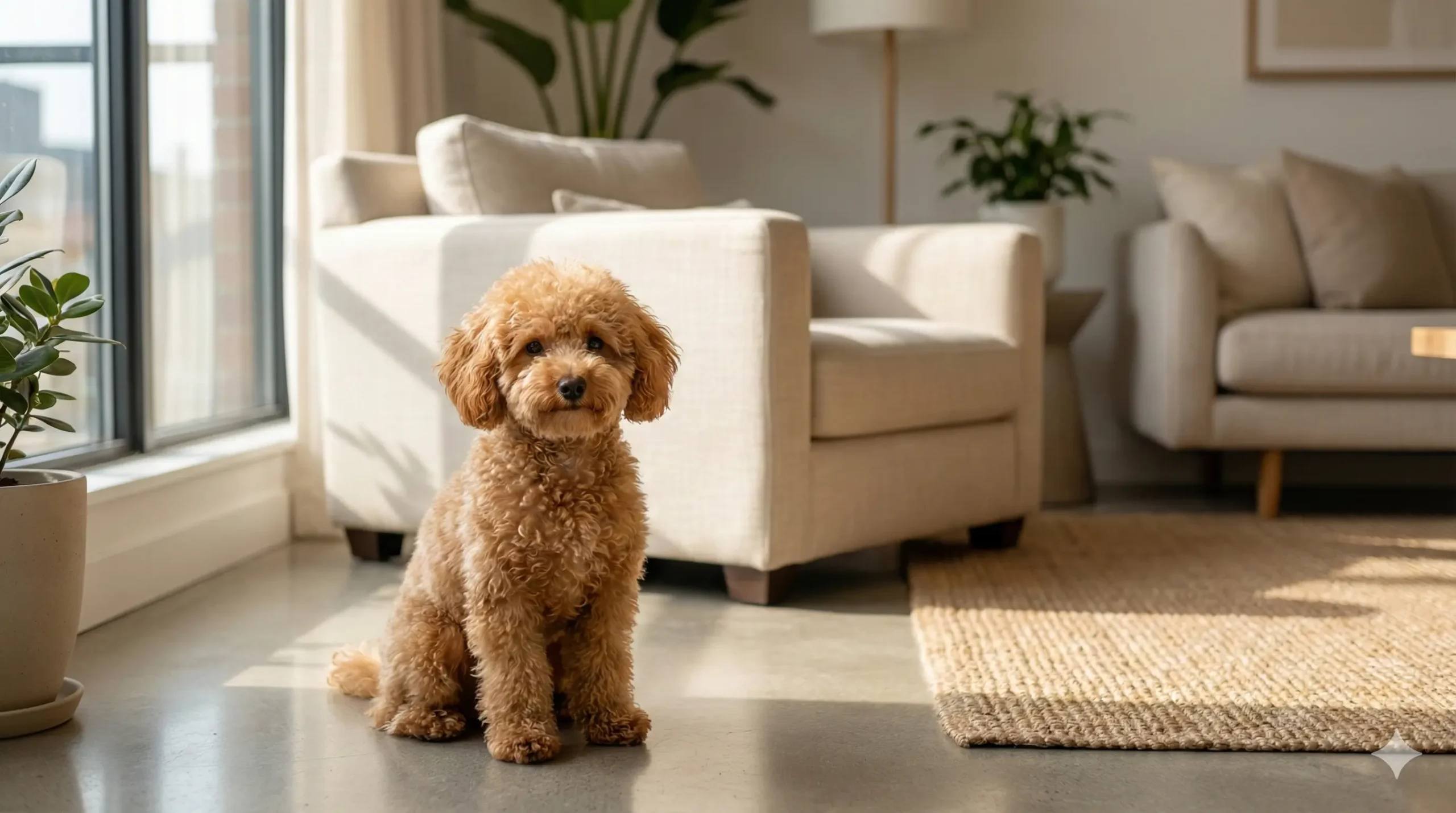 Image credit: PetPalaceHubs
The Toy Poodle is the smallest size variation of the Poodle breed, developed specifically for companionship.
Despite its tiny stature, this breed is known for exceptional intelligence, alertness, and an affectionate
nature that makes it a favorite among urban pet owners and families alike.
Toy Poodles typically stand under 10 inches tall and are prized for their curly, low-shedding coats,
making them a popular choice for people who prefer a cleaner indoor pet environment.
Their elegant appearance often leads people to underestimate their energy levels and mental sharpness.
Unlike many other toy-sized dogs, they are highly trainable and emotionally responsive.
They enjoy learning commands, solving puzzles, and staying mentally engaged with their owners.
This balance of intelligence and companionship sets them apart from many other small dog breeds.
While they are best known as companion dogs, exploring different breed groups can be helpful
for first-time pet parents. For example, readers interested in larger working or guard breeds may also
find our
Belgian Dog Breeds Guide useful for comparison.
2. Appearance, Size & Physical Traits of a Toy Poodle
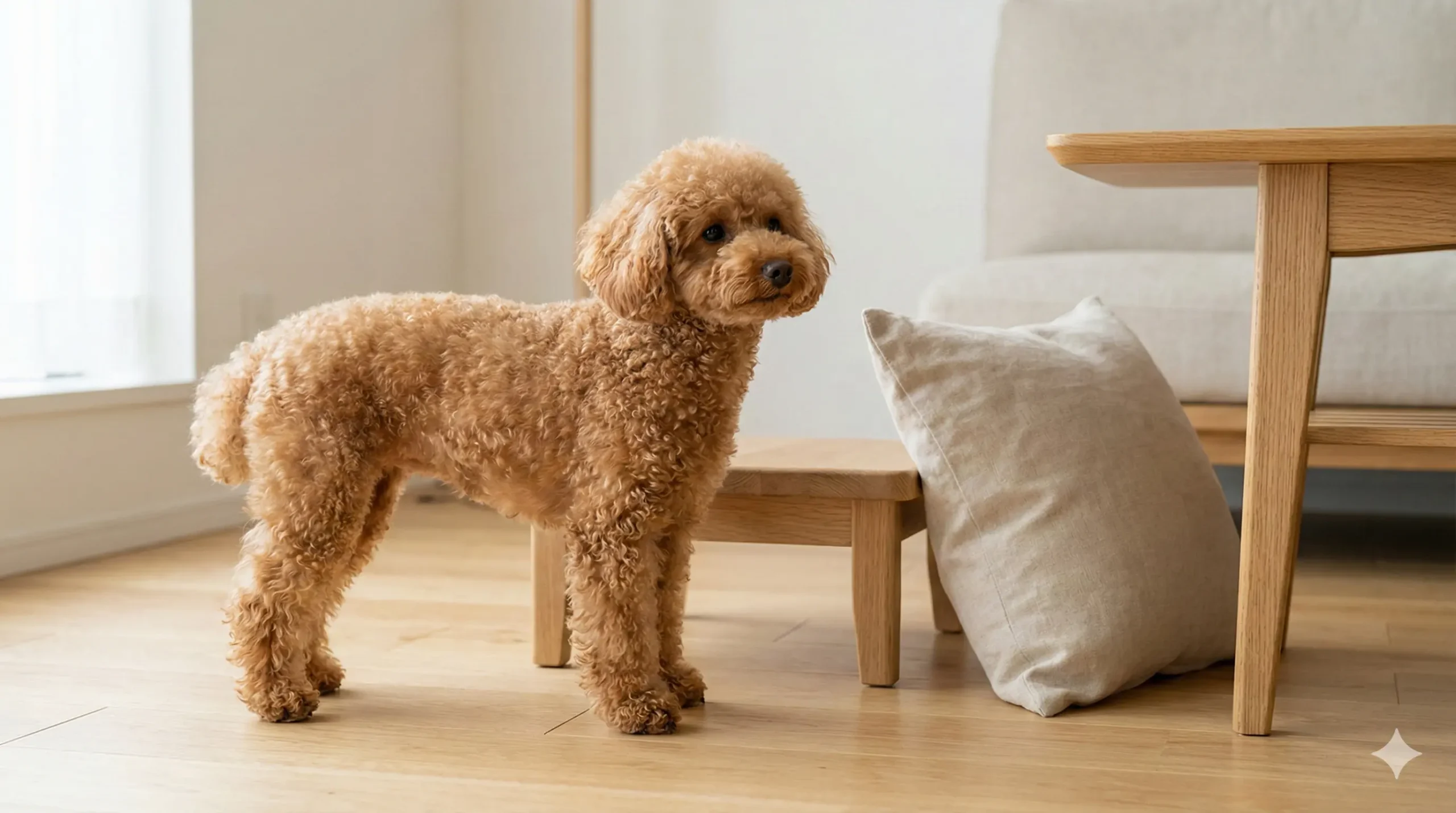
Image credit: PetPalaceHubs
They may be small in size, but its appearance is elegant, balanced,
and instantly recognizable. This breed carries itself with a confident posture,
making it look graceful rather than fragile. Despite being the smallest variety
of the Poodle family, Toy Poodles are well-proportioned and athletic.
A fully grown Toy Poodle typically stands under 10 inches tall at the shoulder
and weighs between 2 to 4 kilograms. Their compact size makes them ideal for
apartment living, yet they are sturdy enough to enjoy daily play and activity
without appearing delicate.
One of the most distinctive physical traits of this breed is its dense, curly coat.
The tight curls give the breed its signature fluffy look and also contribute to its
reputation as a low-shedding dog. Coat colors commonly include white, cream, apricot,
brown, black, and silver. This textured coat not only adds charm but also requires
regular grooming to maintain its shape and health.
They have expressive, dark eyes that reflect intelligence and alertness.
Their long ears hang close to the head and are covered in soft curls, while the
muzzle is fine and well-defined. The tail is often carried high, adding to their
proud and lively appearance.
Although small, Toy Poodles are active dogs and need mental and physical engagement
to stay balanced. When their energy is not properly stimulated, they may show signs
of restlessness, similar to behaviors discussed in our guide on
dog boredom and mental stimulation
. Their physical build supports interactive play and training, making activity
an essential part of their daily routine.
2. Personality & Temperament of a Toy Poodle
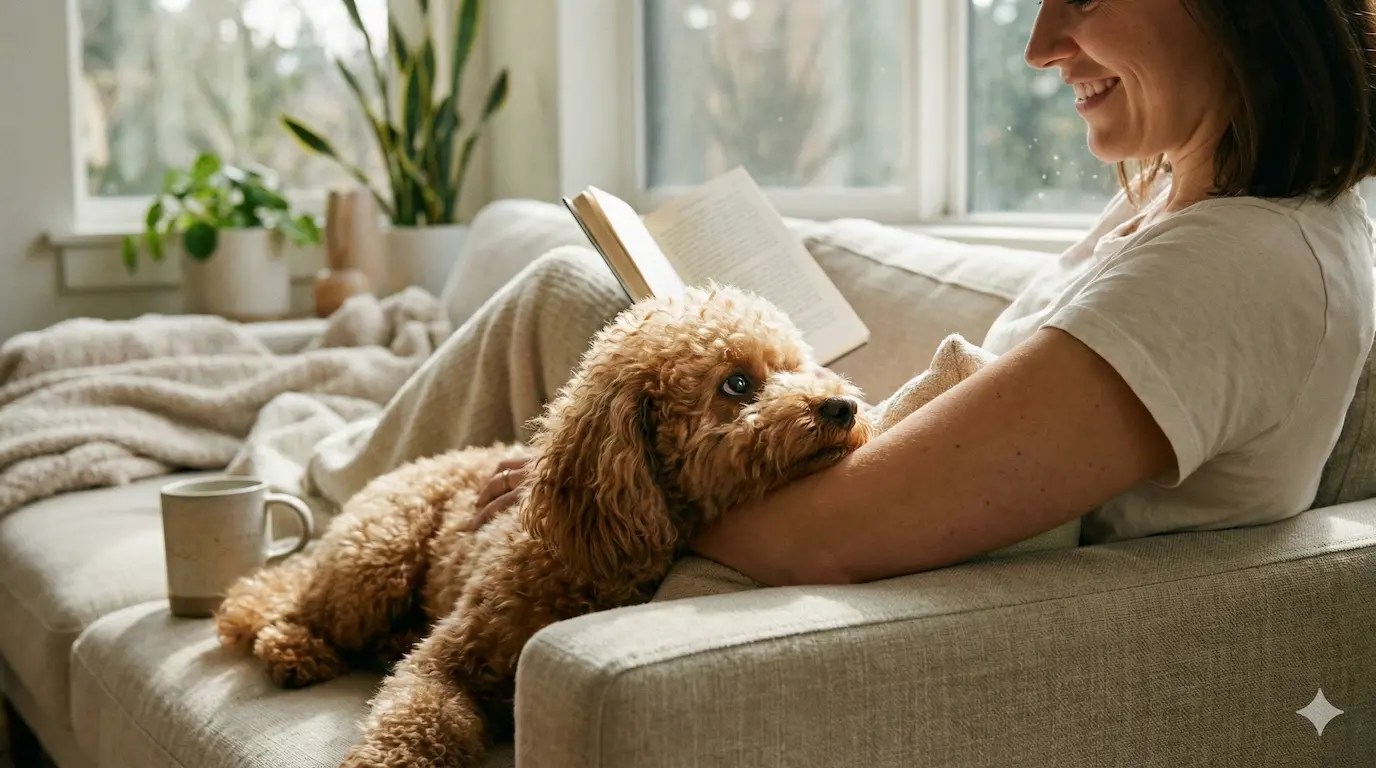
Image credit: PetPalaceHubs
Toy Poodles are known for their intelligent, affectionate, and people-oriented nature. Despite their small size, they are confident dogs with a lively personality and a strong desire to stay close to their owners. They form deep emotional bonds and often follow their favorite person from room to room.
This breed is highly alert and responsive, making Toy Poodles excellent companion dogs that quickly pick up on human emotions and routines. They enjoy being involved in daily activities and tend to thrive in households where they receive regular attention and interaction.
Toy Poodles are generally friendly with family members and can get along well with other pets when properly socialized. However, due to their sensitivity, they may become anxious if left alone for long periods or exposed to harsh training methods. Positive reinforcement and gentle handling bring out the best in their temperament.
Their playful yet calm nature makes them suitable for apartments, seniors, and families alike, provided their mental and emotional needs are met consistently.
4. Grooming & Coat Care
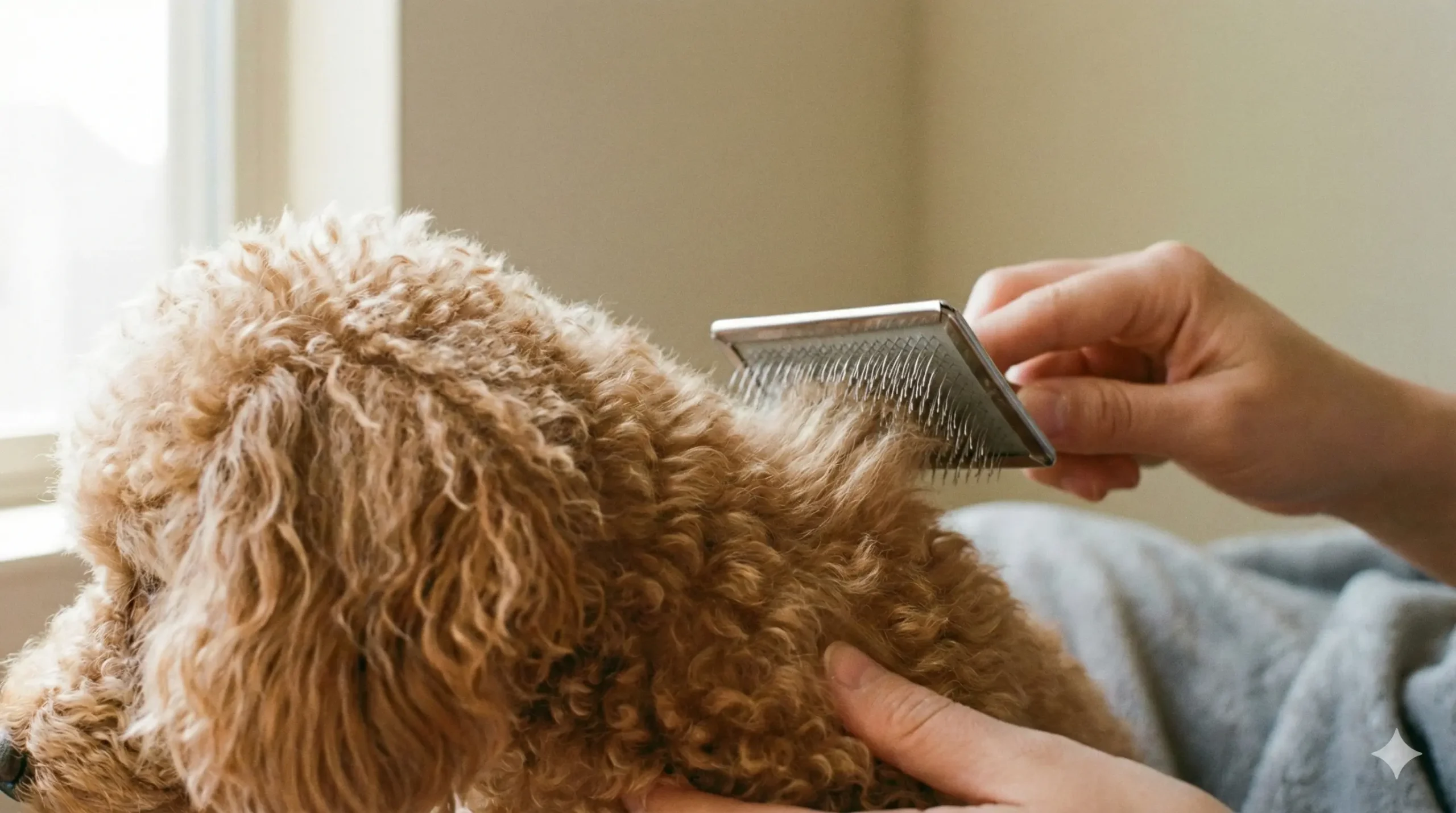
Image credit: PetPalaceHubs
Grooming is one of the most important aspects of Toy Poodle care. Their signature curly coat does not shed much, which makes them a popular choice for allergy-sensitive households, but it also means their fur can mat and tangle easily if not maintained properly.
Regular brushing at least three to four times a week helps prevent knots and keeps the coat soft and manageable. Many of these breed owners prefer daily light brushing, especially around the ears, legs, and chest where tangles form quickly.
Professional grooming is usually needed every four to six weeks. Common styles include the puppy cut and teddy bear cut, which are easier to maintain for everyday pet parents. Along with trimming, groomers also clean ears, trim nails, and check skin health.
Bathing should be done once every three to four weeks using a gentle, dog-safe shampoo. If your Poodle has sensitive or itchy skin, choosing the right product is essential to avoid dryness and irritation. You can explore options in this detailed guide on
best dog shampoo for itchy skin.
Don’t forget dental care and ear cleaning as part of the grooming routine. Small breeds like these are prone to dental issues, so regular brushing and vet checkups go a long way in keeping them healthy and comfortable.
5. Diet & Nutrition
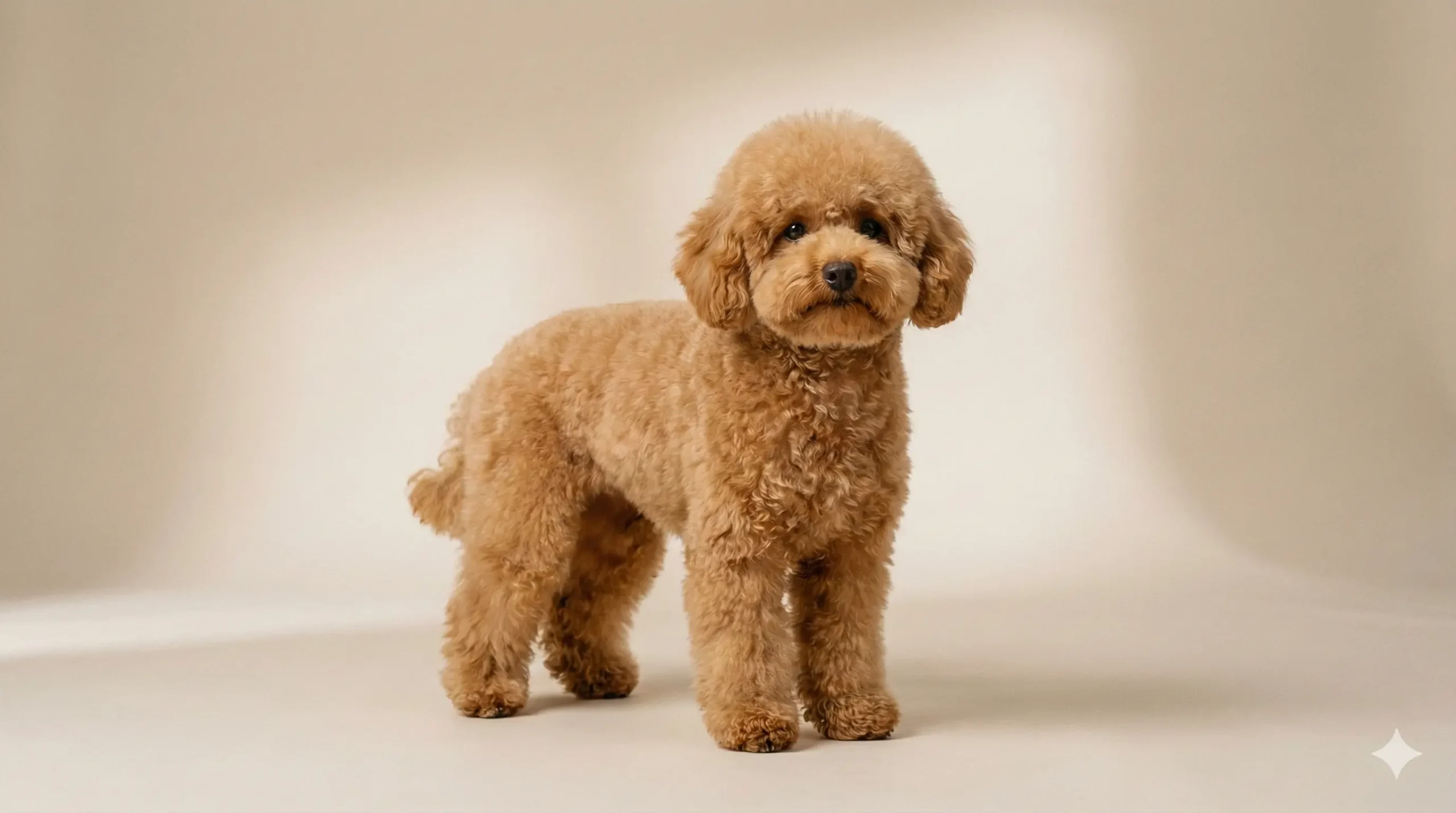
Image credit: PetPalaceHubs
Proper diet plays a major role in these puppies overall health, coat quality, and energy levels. Due to their small size and fast metabolism, Toy Poodles require nutrient-dense food that delivers balanced protein, healthy fats, vitamins, and minerals in smaller portions.
High-quality dog food formulated for small breeds is usually the best choice, as the kibble size is easier to chew and supports dental health. Protein sources like chicken, lamb, or fish help maintain lean muscle, while omega fatty acids contribute to a shiny, healthy coat.
Portion control is extremely important for Toy Poodles, as overfeeding can quickly lead to weight gain and joint stress. Most adult Toy Poodles do well with two small meals per day, while puppies may need three to four smaller meals for stable energy and blood sugar levels.
Seasonal nutrition also matters. During colder months, some Toy Poodles may benefit from slightly richer meals to maintain body warmth and energy. You can explore suitable options in this guide on best winter dog foods, especially if your Toy Poodle shows reduced appetite or low energy in winter.
Fresh water should always be available, and human foods such as chocolate, grapes, onions, and excessive treats should be strictly avoided to prevent health issues.
6. Exercise & Training
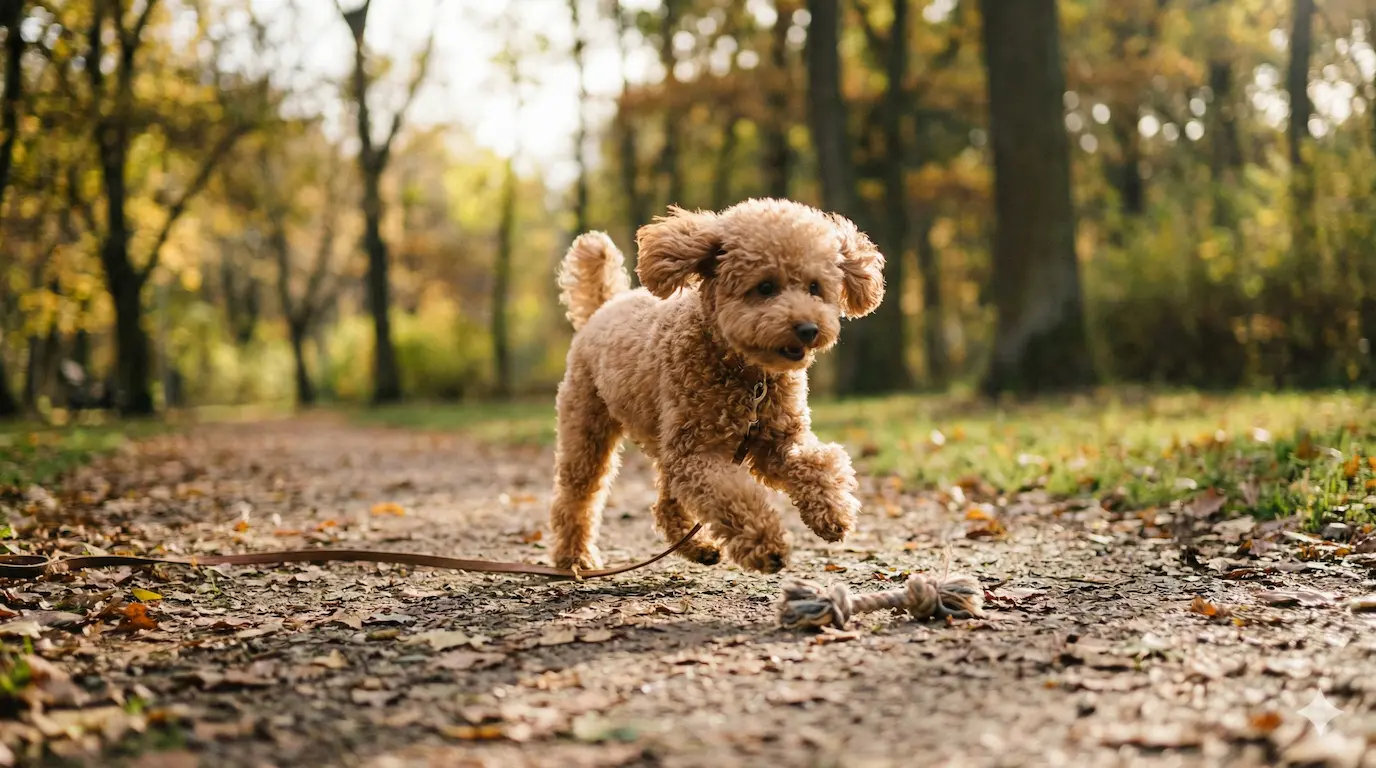
Image credit: PetPalaceHubs
Despite their small size, Toy Poodles are energetic and mentally active dogs that require daily exercise to stay happy and well-behaved. Without enough physical movement and mental stimulation, they can become restless, vocal, or develop unwanted habits.
A combination of short walks, indoor playtime, and basic training sessions works best for this breed. Activities such as fetch with soft toys, puzzle games, and obedience practice help channel their intelligence productively. Understanding how much exercise your dog really needs can help you create a balanced daily routine without overexerting a Toy Poodle.
Training Toy Poodles is usually easy because they are highly intelligent and eager to please. Positive reinforcement methods like treats, praise, and consistency produce excellent results. Early training also helps prevent excessive barking and separation anxiety, making them calmer and more adaptable companions.
7. Health & Lifespan

Image credit: PetPalaceHubs
Toy Poodles are generally considered a healthy and long-living dog breed, often living between 12 to 16 years when provided with proper care. Their small size contributes to longevity, but like all purebred dogs, they can be prone to certain health conditions that owners should be aware of early on.
Some common health concerns seen in Toy Poodles include dental problems, patellar luxation (knee joint issues), hypoglycemia in puppies, and age-related eye conditions. Regular veterinary checkups, early detection, and consistent preventive care play a major role in maintaining their overall health and quality of life.
Dental care is especially important for Toy Poodles due to their small mouths, which can lead to plaque buildup if ignored. Routine teeth cleaning, along with a balanced diet and proper grooming, helps prevent long-term complications. As they age, monitoring weight, mobility, and vision becomes equally essential.
Following general pet wellness practices—such as vaccinations, parasite prevention, and age-appropriate nutrition—can significantly reduce health risks. You can explore more practical guidance in this detailed pet health care guide, which covers everyday habits that support a longer, healthier life for dogs.
8. Toy Poodle Size, Care & Lifestyle Overview
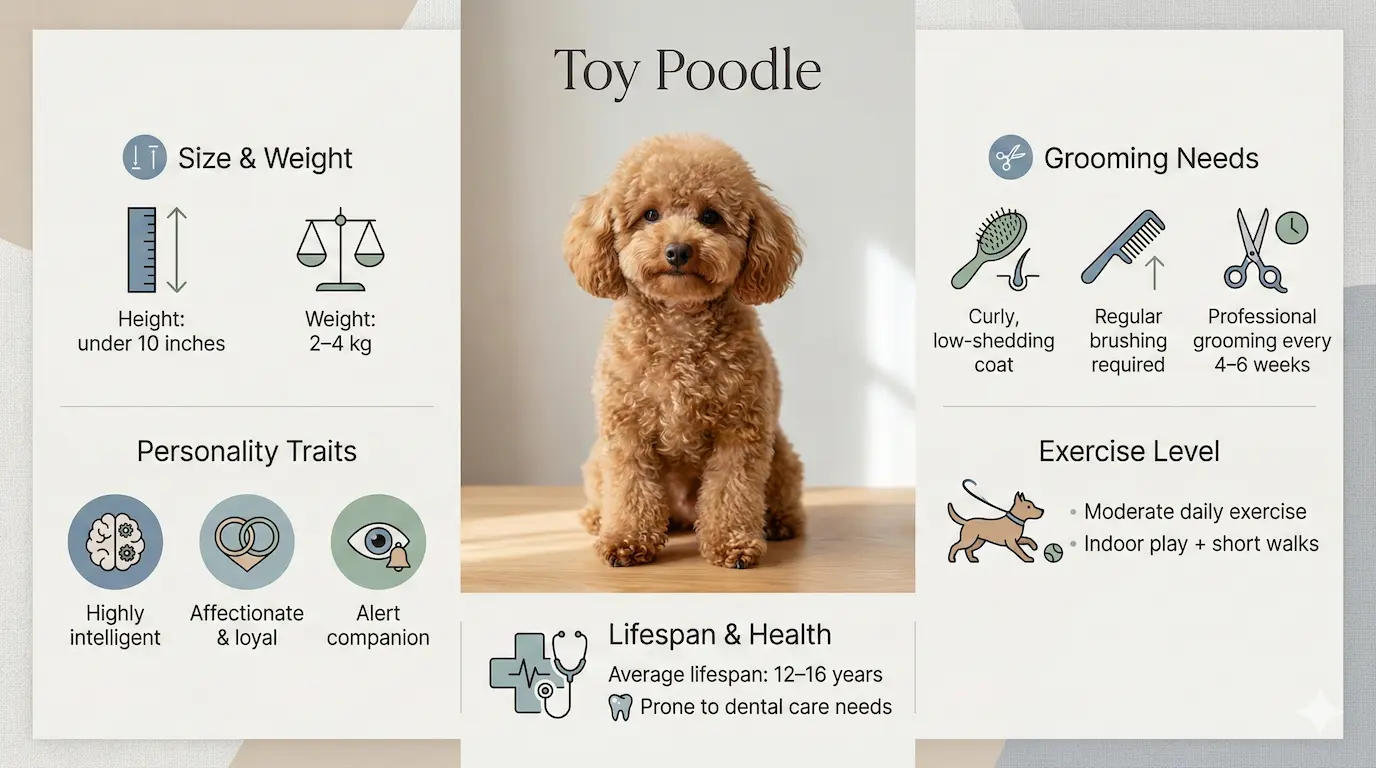
Image credit: PetPalaceHubs
The Toy Poodle is a small yet well-balanced dog known for its elegance, intelligence, and adaptability.
Adult Toy Poodles typically stand under 10 inches tall and weigh between 2 to 4 kilograms, making them an excellent choice for apartment living and smaller homes.
Their curly coat is low-shedding, which makes them suitable for allergy-sensitive households. However, regular grooming is essential.
Frequent brushing helps prevent matting, and professional grooming every few weeks keeps their coat healthy and comfortable.
In terms of personality, Toy Poodles are highly intelligent, affectionate, and alert. They form strong bonds with their owners and enjoy being involved in daily activities.
Their alert nature also makes them attentive companions without being overly aggressive.
Toy Poodles require moderate daily exercise. Indoor play sessions combined with short walks are usually sufficient to keep them physically active and mentally stimulated.
With proper care, Toy Poodles enjoy a long lifespan, commonly living between 12 to 16 years.
Like many small breeds, they may need extra attention to dental hygiene and routine health checkups to maintain overall well-being.
Frequently Asked Questions About Toy Poodles
Are Toy Poodles good for apartment living?
Yes, Toy Poodles are excellent apartment dogs. Their small size, low-shedding coat, and moderate exercise needs make them well-suited for compact living spaces, as long as they receive daily mental and physical stimulation.
Do Toy Poodles shed a lot?
Toy Poodles are considered low-shedding dogs. Their curly coat traps loose hair, which reduces shedding but also means they require regular brushing and grooming to prevent matting.
How intelligent are Toy Poodles?
Toy Poodles are highly intelligent and rank among the smartest dog breeds. They learn commands quickly, enjoy problem-solving activities, and respond very well to positive reinforcement training.
Are Toy Poodles good with children and other pets?
Toy Poodles can get along well with children and other pets when properly socialized. Due to their small size, gentle handling is important, especially around very young children.
How long do Toy Poodles usually live?
With proper care, a healthy diet, regular grooming, and routine veterinary checkups, Toy Poodles typically live between 12 to 16 years, and sometimes even longer.
Final Thoughts
Toy Poodles may be small in size, but they are full of intelligence, affection, and personality. With the right balance of grooming, training, nutrition, and companionship, they can make exceptional lifelong companions for a wide variety of households.
Note: Visual illustrations used in this article were generated using AI-assisted tools for educational and explanatory purposes.