
Disclaimer: This post contains affiliate links. If you click and purchase, we may earn a small commission at no extra cost to you. As an Amazon Associate, we earn from qualifying purchases.
Are Frozen Dog Treats Safe? Discover Vet-Approved Recipes & Tips (2025 Guide)
Summer is here, and your furry friend is likely panting and looking for ways to cool off. Frozen dog treats are a popular solution, but you might wonder: are they safe for dogs? In this guide, we’ll share vet-approved recipes, tips for safe ingredients, serving guidelines, and ways to keep your pup healthy and happy during hot days. By the end, you’ll be ready to make your dog’s summer treats both delicious and safe. Keep reading to discover recipes that your dog will love, along with expert advice on portion sizes and ingredient safety.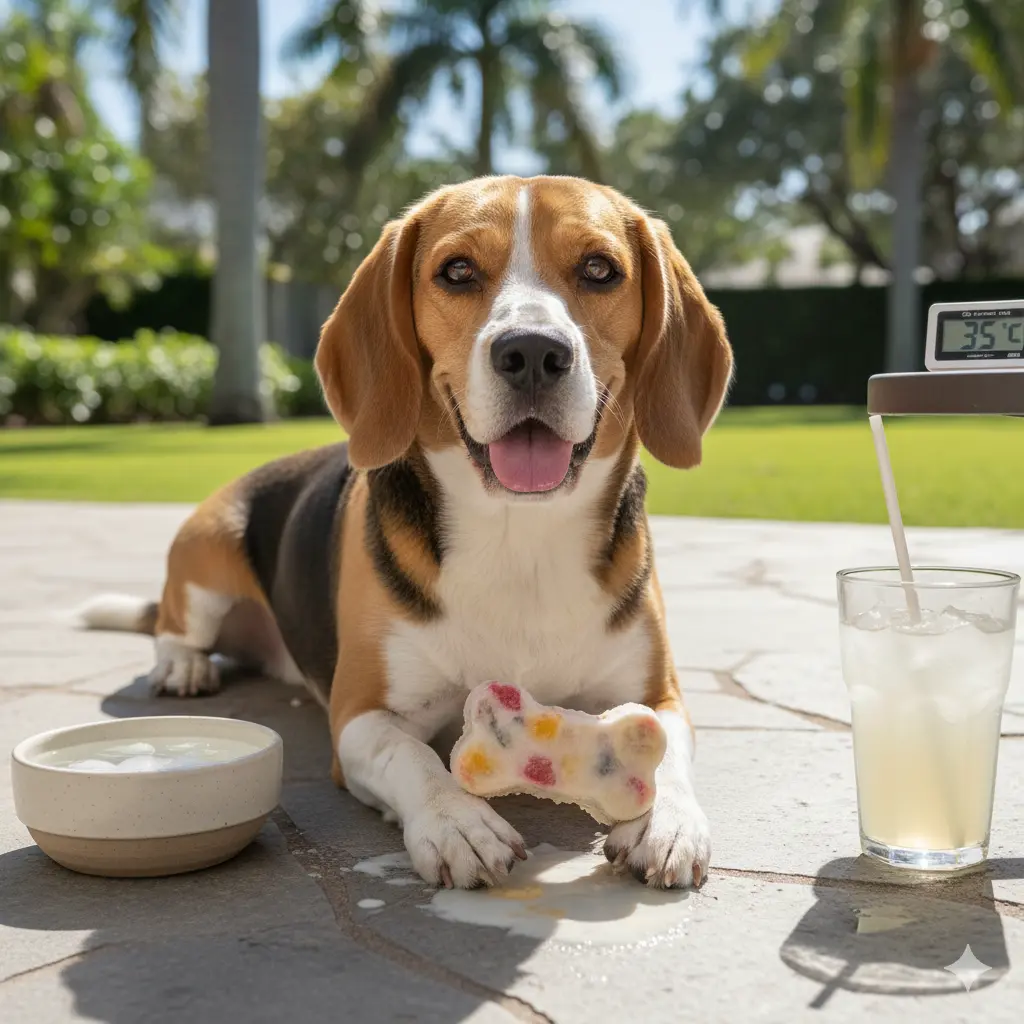
Image Credit: PetpalaceHubs
6 Vet-Approved Frozen Dog Treat Recipes My 4-Year-Old Beagle Loves
Over the years, I’ve experimented with many DIY frozen treats for my 4-year-old male Beagle, Bella. He absolutely loves them, and I’ve found recipes that are healthy, easy to make, and perfect for cooling him down on hot days. Here are six of our favorites, complete with step-by-step instructions, serving suggestions, and a few fun anecdotes about Bella’s reactions.1. Banana Yogurt Pops
Ingredients: 1 ripe banana, 1/2 cup plain unsweetened yogurt Prep Time: 5 minutes | Freeze Time: 4 hours Instructions:- Mash the banana in a bowl until smooth.
- Mix in the plain yogurt thoroughly.
- Pour the mixture evenly into silicone molds or ice cube trays.
- Freeze for at least 4 hours or until solid.
- Remove pops from molds and serve appropriate portions according to your dog’s size.

Image Credit: PetPalaceHubs
Try using Silicone Molds for Dog Treats and Freezer-Safe Storage Containers2. Peanut Butter & Pumpkin Bites
Ingredients: 1/2 cup pumpkin purée, 2 tablespoons xylitol-free peanut butter Prep Time: 5 minutes | Freeze Time: Overnight Instructions:- Mix pumpkin purée and peanut butter in a bowl until smooth and consistent.
- Pour the mixture into silicone treat molds or mini muffin trays.
- Freeze overnight until fully set.
- Pop out the frozen bites and store in an airtight container in the freezer.
- Serve 1–2 bites at a time depending on your dog’s size.
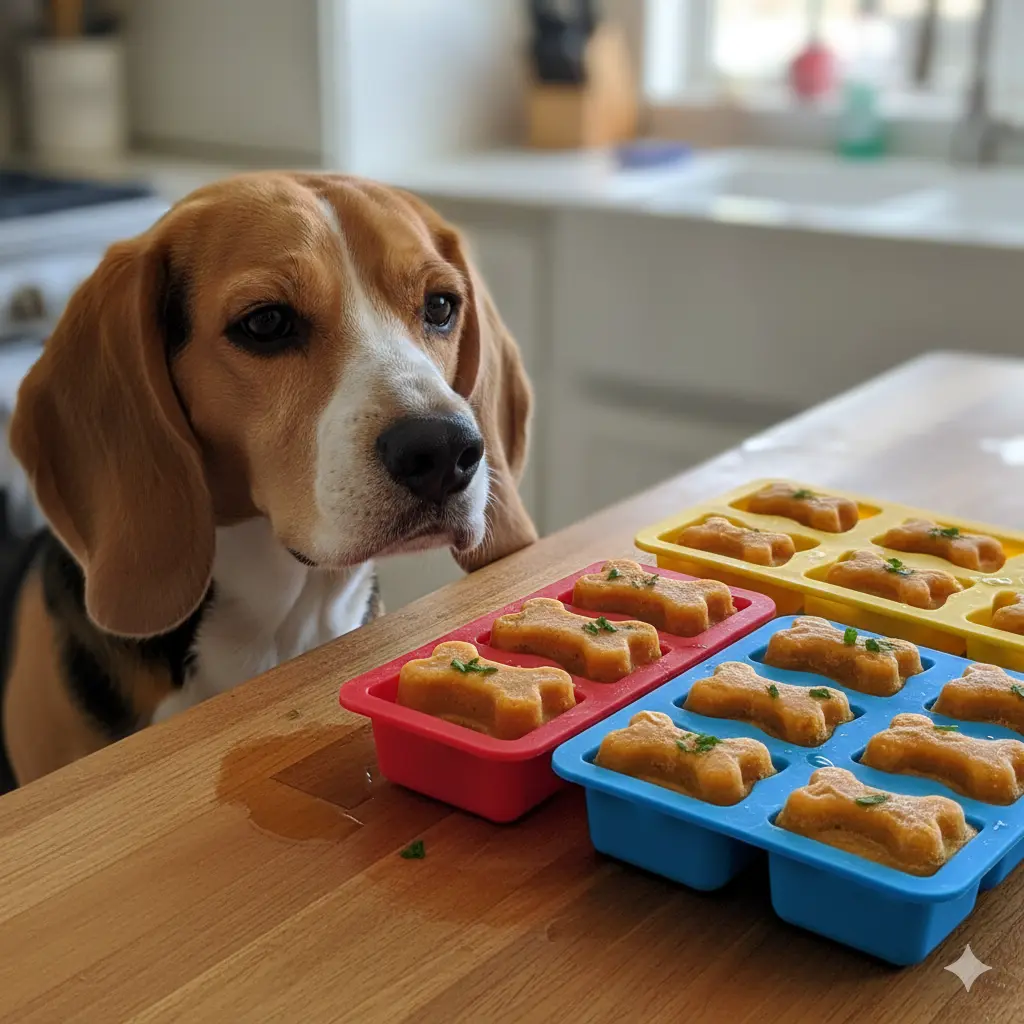
Image Credit: PetPalaceHubs
Use BPA-Free Silicone Treat Trays and Xylitol-Free Peanut Butter3. Watermelon Ice Cubes
Ingredients: 1 cup seedless watermelon, 1/4 cup coconut water Prep Time: 5 minutes | Freeze Time: 3–4 hours Instructions:- Blend watermelon and coconut water until smooth.
- Pour the liquid into ice cube trays.
- Freeze for 3–4 hours or until solid.
- Pop cubes out and serve immediately or store in the freezer.
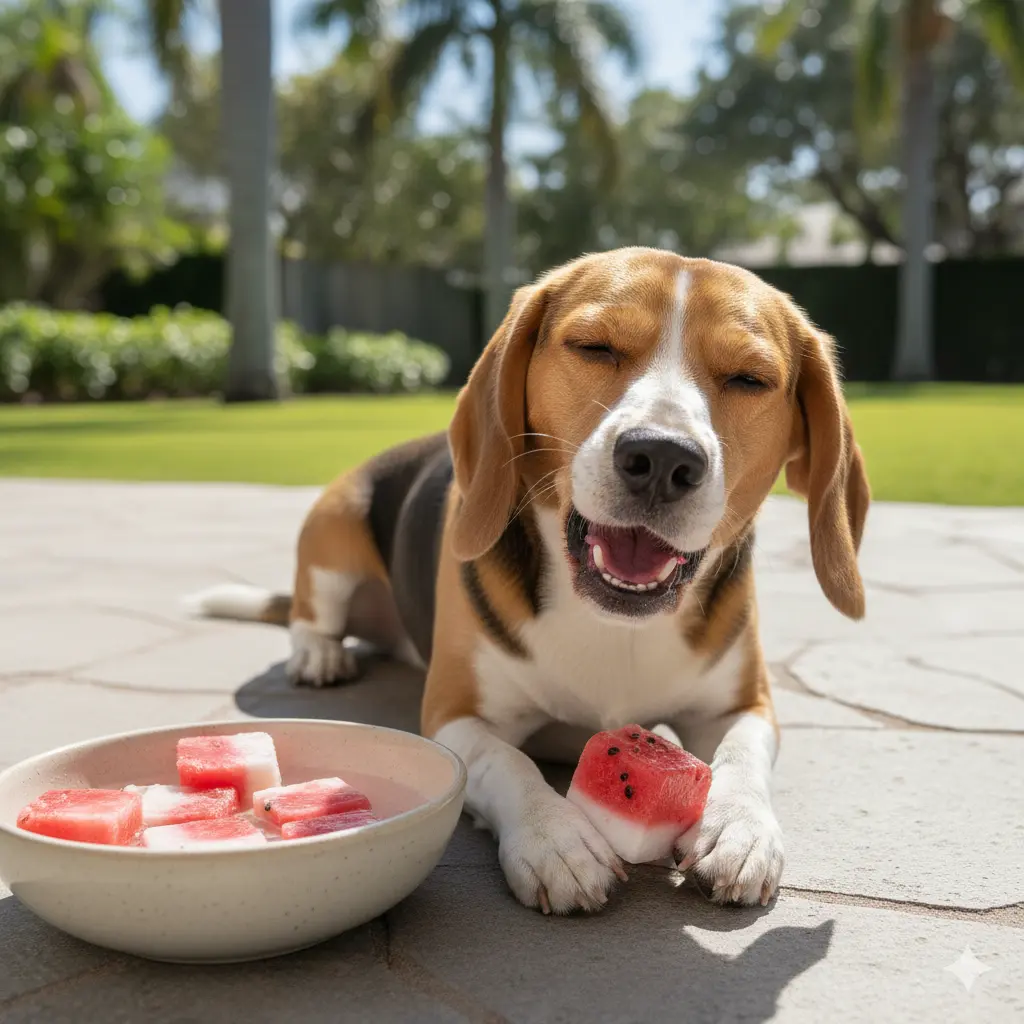
Image Credit: PetPalaceHubs
Try Ice Cube Trays for Pets4. Blueberry Coconut Cups
Ingredients: 1/2 cup blueberries, 1/2 cup coconut milk Prep Time: 5 minutes | Freeze Time: 4–5 hours Instructions:- Blend blueberries and coconut milk until smooth.
- Pour into mini silicone muffin molds.
- Freeze for 4–5 hours or until solid.
- Store in airtight freezer containers and serve as needed.
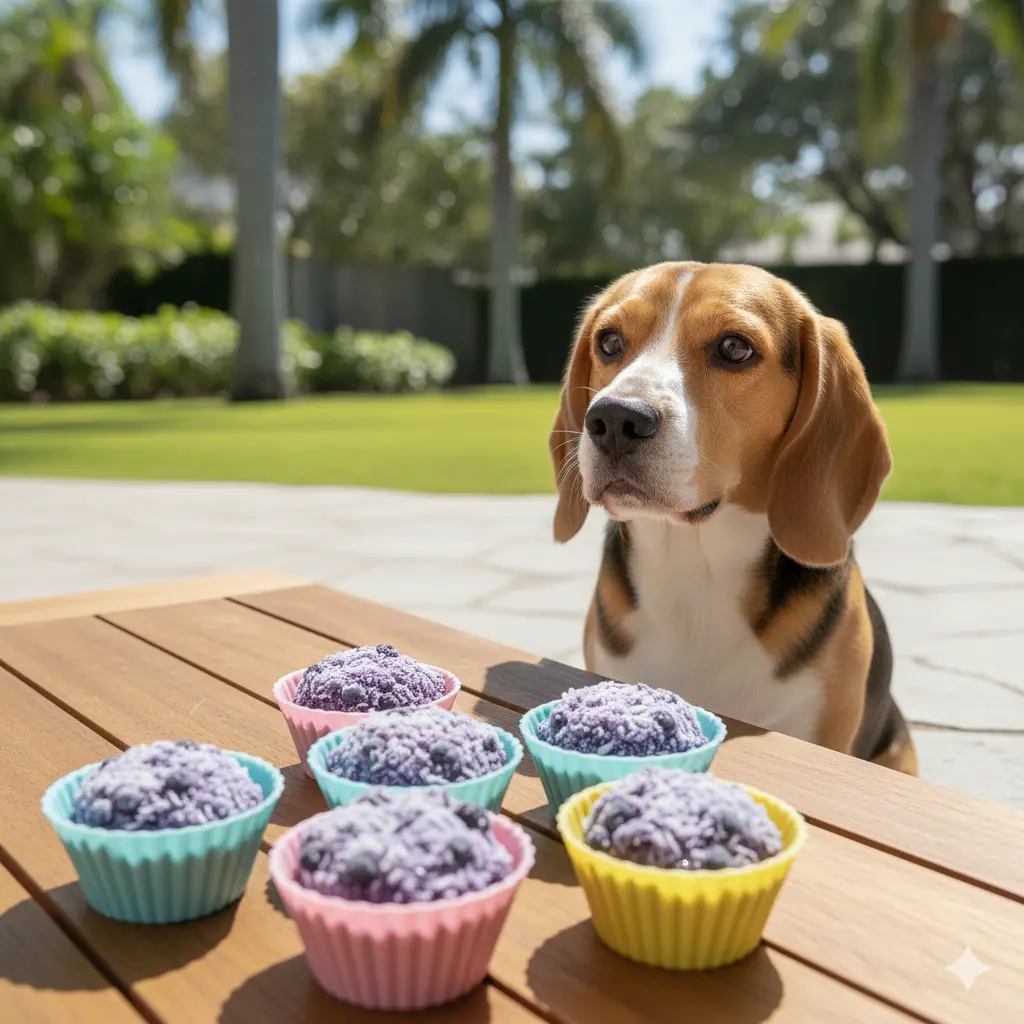
Image Credit: PetPalaceHubs
Use Silicone Mini Muffin Trays5. Apple Carrot Pupsicles
Ingredients: 1 small apple, 1 small carrot, 1/4 cup plain yogurt Prep Time: 5–7 minutes | Freeze Time: 4–5 hours Instructions:- Chop apple and carrot into small pieces.
- Blend with plain yogurt until smooth.
- Pour mixture into silicone trays or molds.
- Freeze for 4–5 hours or until solid.
- Serve in small portions depending on dog size.
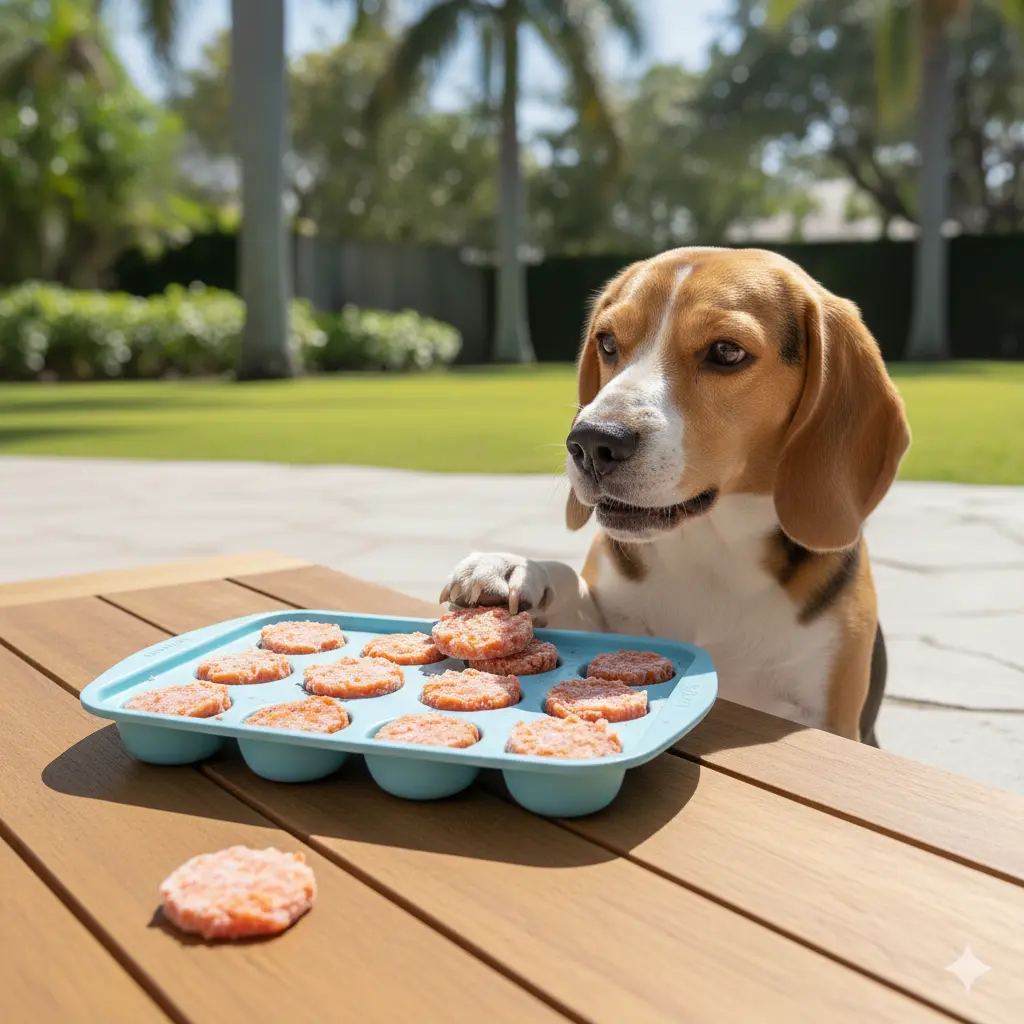
Image Credit: PetPalaceHubs
Try Freezer-Friendly Trays6. Frozen Chicken Broth Cubes
Ingredients: 1 cup low-sodium chicken broth Prep Time: 2 minutes | Freeze Time: 4–6 hours Instructions:- Pour low-sodium chicken broth into ice cube trays.
- Freeze for 4–6 hours or until solid.
- Pop cubes out and serve as a savory treat or to hydrate your dog.
- Store remaining cubes in airtight containers in the freezer.
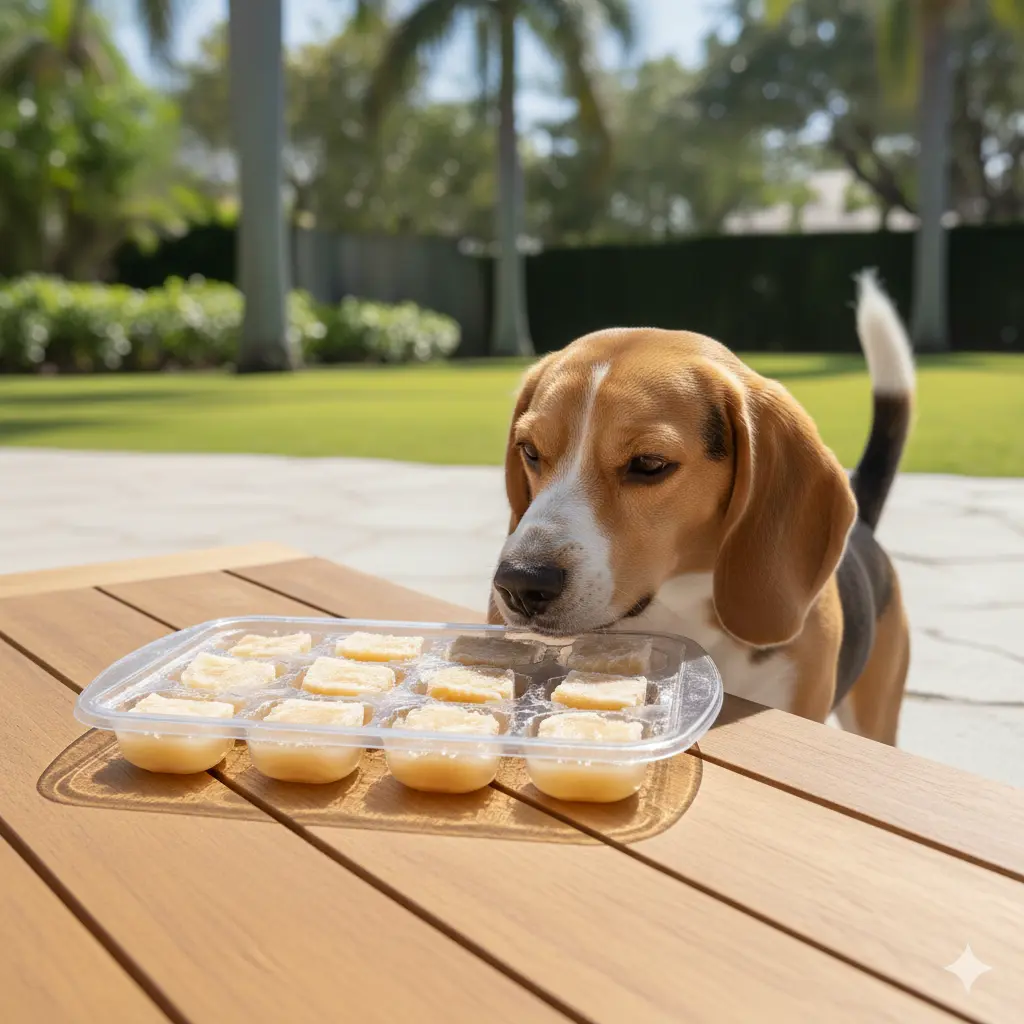
Image Credit: PetPalaceHubs
Use Ice Cube Trays and BPA-Free Storage ContainersWhat Are Frozen Dog Treats & Safety Guidelines
Frozen dog treats are simply healthy ingredients like fruits, vegetables, yogurt, or broth that have been frozen into bite-sized snacks for dogs. They are a fantastic way to keep your dog cool, hydrated, and entertained, especially during hot days or after active play. These treats are more than just a way to beat the heat—they also provide mental stimulation. As dogs lick or chew on the frozen treats, they stay engaged longer than with a regular snack, which can help reduce boredom and even curb destructive behaviors.Safety Guidelines for Frozen Dog Treats
- Use dog-safe ingredients: Fruits like bananas, blueberries, watermelon, and apples are excellent. Vegetables like carrots and pumpkin are also safe. Avoid grapes, raisins, chocolate, and anything containing xylitol.
- Portion control: Treats should not exceed 10% of your dog’s daily calorie intake. For frozen treats, start with small portions and adjust according to your dog’s size and appetite.
- Introduce gradually: If your dog hasn’t had a particular ingredient before, give a small test portion to ensure no digestive upset occurs.
- Use clean molds and storage: Always use BPA-free trays and airtight containers to prevent contamination and freezer burn.
- Monitor your dog: Watch your dog while enjoying the treat. Some dogs may try to swallow too large a piece, so ensure the treat is an appropriate size.
Benefits of Frozen Dog Treats
- Cooling effect: Perfect for hot summer days or after exercise.
- Mental stimulation: Licking or chewing frozen treats keeps your dog engaged longer.
- Hydration: Ingredients like watermelon or broth help keep your dog hydrated.
- Digestive support: Ingredients like pumpkin or yogurt can aid digestion.
Quick Takeaways: Frozen Dog Treats at a Glance
If you want a fast reference, here’s everything you need to know about making safe, healthy, and fun frozen treats for your dog.| Key Topic | Quick Takeaway |
|---|---|
| Best Ingredients | Banana, pumpkin, blueberries, carrots, yogurt, chicken broth |
| Safety Tips | Avoid chocolate, grapes, xylitol; portion control; introduce gradually |
| Freezing Tips | Use BPA-free molds/trays; store in airtight containers; freeze in small batches |
| Serving Size | Small dogs: 1 treat; Medium: 2 treats; Large: 3 treats |
| Benefits | Cooling, hydration, mental stimulation, digestive support |
Quick Tips:
With this quick reference, you can easily make healthy, safe, and fun frozen treats for your dog without missing any important steps!
- Freeze in small portions to prevent overeating.
- Always supervise your dog while enjoying frozen treats.
- Use a mix of fruits, veggies, and protein for variety.
- Try Silicone Treat Molds or Freezer-Safe Storage Containers for convenience.
Serving Guidelines & How Often to Give Frozen Treats
Frozen treats are a fun and healthy snack, but like anything special, moderation is key. Overfeeding can lead to upset stomachs or extra calories, so I always pay attention to portion sizes and frequency with Bella, my 4-year-old male Beagle.Portion Sizes by Dog Size
- Small dogs (under 15 lbs): 1 small frozen cube or popsicle at a time
- Medium dogs (15–40 lbs): 2 cubes or popsicles at a time
- Large dogs (40+ lbs): 3 cubes or popsicles at a time
Frequency Tips
- Offer frozen treats 2–3 times a week as a snack or post-play reward.
- For hot summer days, you can give them once daily, but adjust if your dog is prone to digestive upset.
- Always include treats as part of the daily calorie count so your dog’s regular meals remain balanced.
Tips for Easy Serving
- Use silicone molds for perfectly sized portions.
- Thaw slightly for older dogs or those with sensitive teeth.
- Store in labeled freezer containers so you always know what flavor and portion is inside.
When to Avoid Frozen Dog Treats
While frozen treats are generally safe and healthy, there are certain situations when it’s best to skip them. I’ve learned through experience with Bella that paying attention to his health and behavior helps prevent any discomfort or digestive issues.Health Conditions to Consider
- Digestive Sensitivity: Dogs prone to diarrhea or upset stomach may react to sudden frozen treats.
- Diabetes or Pancreatic Issues: Treats with fruit or yogurt can spike blood sugar or trigger pancreatitis in sensitive dogs.
- Allergies: Some dogs may react to ingredients like dairy, peanut butter, or specific fruits.
Environmental or Situational Concerns
- Avoid giving frozen treats immediately before intense exercise to prevent stomach discomfort.
- During extremely cold weather, limit frozen treats as they may chill your dog too much.
- If your dog is teething or has dental issues, consider softer treats or slightly thawed options.
Signs to Watch Out For
After giving Bella a new treat for the first time, I always monitor him for 30–60 minutes. Watch for:- Excessive drooling or gagging
- Vomiting or diarrhea
- Lethargy or unusual behavior
Store-Bought vs Homemade Frozen Dog Treats
When it comes to treating your dog, you have two main options: store-bought frozen treats and homemade ones. Both have their advantages, but understanding the differences can help you make the best choice for your furry friend.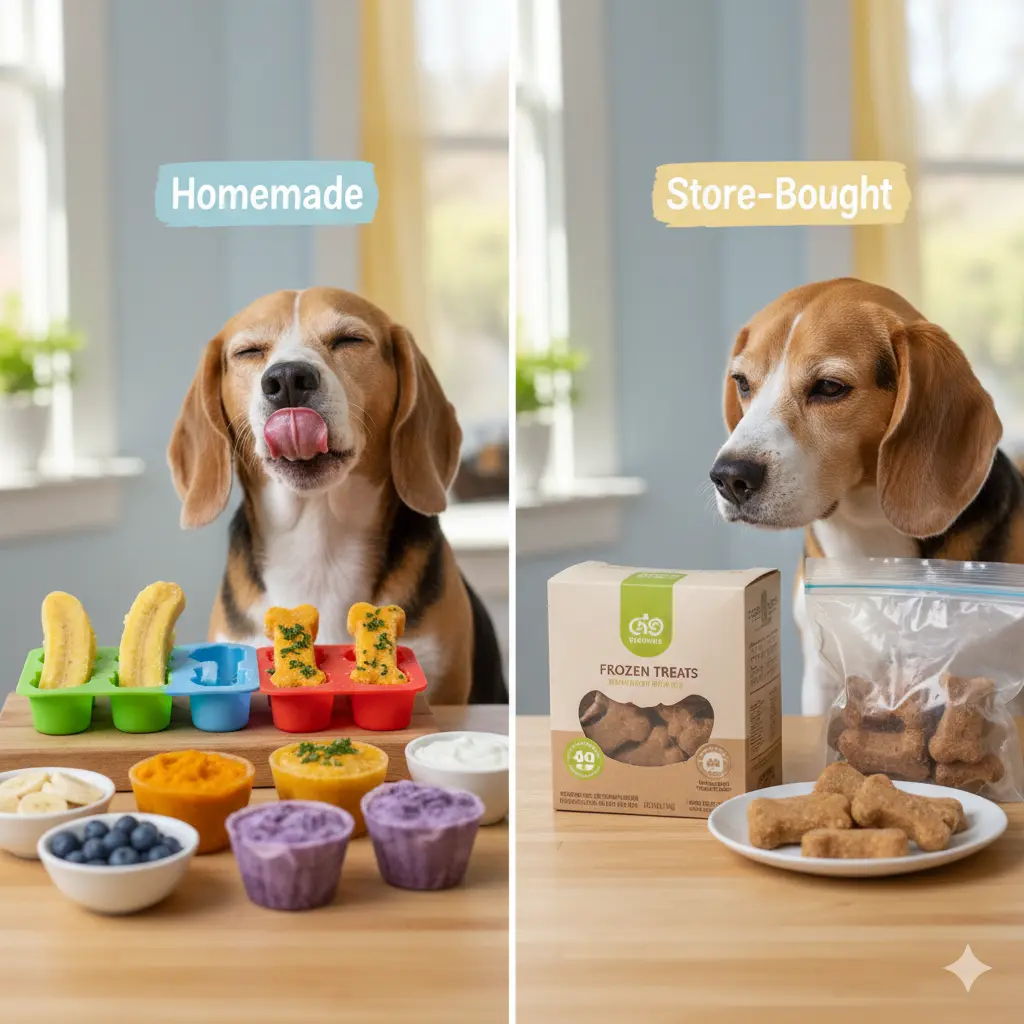
Homemade Frozen Dog Treats
- Control Over Ingredients: You can choose high-quality, fresh ingredients, ensuring your dog gets the best.
- Customization: Tailor treats to your dog’s specific dietary needs or preferences.
- Bonding Experience: Making treats at home can be a fun activity that strengthens your bond with your dog.
- Cost-Effective: Homemade treats can be more affordable, especially if you already have the ingredients on hand.
Store-Bought Frozen Dog Treats
- Convenience: Ready to serve with no preparation time.
- Variety: A wide range of flavors and types to choose from.
- Consistency: Uniform size and quality with every treat.
- Longer Shelf Life: Preservatives help maintain freshness for longer periods.
Quick Safety Checklist for Frozen Dog Treats
Keeping your dog safe while enjoying frozen treats is simple if you follow this quick checklist. I always go through it before giving Bella any new treat.- Ingredients: Use only dog-safe fruits, vegetables, yogurt, or broth. Avoid chocolate, grapes, raisins, xylitol, and other harmful foods.
- Portion Control: Follow recommended serving sizes: Small: 1 treat, Medium: 2 treats, Large: 3 treats.
- Frequency: Limit treats to 2–3 times per week, or once daily in hot weather if appropriate.
- Storage: Freeze in BPA-free molds or containers; label with flavor and date.
- Supervision: Always watch your dog while eating frozen treats to prevent choking or swallowing large pieces.
- Introduce Slowly: Give small portions when trying a new ingredient to monitor for allergies or digestive issues.
- Check Temperature: Avoid giving frozen treats immediately before or after vigorous exercise, and avoid giving them in extremely cold weather.
- Discard Old Treats: Do not serve treats that have been in the freezer too long or show signs of freezer burn.
Frequently Asked Questions (FAQs) About Frozen Dog Treats
1. Can all dogs eat frozen treats?
Most healthy dogs can enjoy frozen treats, but puppies, dogs with digestive sensitivities, or certain health conditions may need modified portions or specific ingredients. I always introduce new treats slowly with Bella to make sure he’s comfortable.2. How long can frozen treats be stored?
Homemade frozen treats generally last 2–3 weeks in an airtight container. Store-bought frozen treats usually have longer shelf lives due to preservatives. Always check for freezer burn or changes in texture before serving.3. Can I use human yogurt or milk for frozen treats?
Plain, unsweetened yogurt is safe for most dogs. Milk can be tricky as some dogs are lactose intolerant. I stick to yogurt for Bella to avoid any tummy upset.4. Are frozen treats suitable for puppies?
Puppies can enjoy frozen treats, but they should be softer, smaller, and given in moderation. Avoid anything too hard that could damage developing teeth.5. Can I freeze dog treats with biscuits or toys inside?
Yes! Adding a small dog biscuit or a soft chew inside a frozen treat can make it extra fun. I occasionally hide a mini biscuit in Bella’s frozen blueberry cups, and he loves the surprise.6. Can frozen treats help with teething?
Absolutely. Slightly thawed frozen treats can soothe sore gums in puppies and young dogs. Just make sure they’re not too hard to avoid tooth damage.7. Can older dogs enjoy frozen treats?
Yes! For older dogs, slightly soften the frozen treat to make it easier to chew, especially if they have dental issues. Bella’s senior friends enjoy them as much as he does!Final Tips, Bonus Ideas & Conclusion
Making frozen treats for your dog is not just about keeping them cool—it’s a fun way to bond, provide mental stimulation, and offer healthy snacks. Over the years with Bella, I’ve discovered a few tips that make the process easier and even more enjoyable.Bonus Ideas for Frozen Treats
- Seasonal Flavors: Use pumpkin in the fall, watermelon in summer, or mix in a little peanut butter for a special treat.
- Creative Molds: Try silicone molds in fun shapes like bones, hearts, or paw prints to make treats extra appealing.
- Training Tools: Use small frozen treats as rewards during training or enrichment games.
- Mix & Match: Combine fruits, yogurt, and even a little cooked chicken or broth to keep treats exciting.
Friendly Reminders
- Moderation is key—frozen treats are snacks, not meal replacements.
- Always supervise your dog while eating to avoid choking hazards.
- Stick to safe ingredients and follow portion guidelines to prevent tummy upsets.

Sadhna Goel
I have been a passionate pet owner for the last 35 years. I currently have a 4-year-old Beagle named Bella. Through my experiences, I love sharing tips, DIY treats, and practical advice to help other pet parents give their furry friends a happy and healthy life.
Disclaimer: This article may contain affiliate links. If you click on a link and make a purchase, I may earn a small commission at no extra cost to you. All recommendations are based on my personal experience and research, but please consult your veterinarian before introducing new treats or foods to your dog’s diet.