Signs Your Dog Is Uncomfortable: 10 Warning Signs Every Owner Must Know
Check some warning signals your dog is showing some discomfort . Try and understand how to spot stress pain and behavioral changes before it is too late.
As we all know Dogs may not speak our language but they have powerful ways of telling us when something is not going right. From subtle behavior shifts to clear physical signs, knowing how to recognize when your dog is uncomfortable could be the difference between early intervention and prolonged distress. So it becomes very important to know your pet problems.
In this blog we will break down the most common signs your dog is uncomfortable, to understand what they mean, and help you respond with confidence and care.
How to Tell If Your Dog Is Uncomfortable or in Pain
Unlike humans dogs naturally instinctively hide pain, especially in the early stages. That is why it becomes important to observe even the most minor changes in their behavior. Whether your pup is limping even slightly or suddenly avoiding contact, these may be early indicators of discomfort.
Common Dog Discomfort Symptoms
- If you observe Sudden aggression or irritability
- Whining growling or whimpering are signs of discomfort
- Changes in eating or sleeping habits
- Showing signs of limping or stiffness after activity
- Excessive licking or chewing a specific area

Image Credit: Akshay Madan
Behavioral Changes That Signal Stress
Stress in dogs often mirrors human anxiety, this is common. When routines shift or new people enter the home suddenly your pup might act differently. Pay close attention to these signs of stress in dogs as they can escalate if ignored and not taken care off.
Signs of Stress in Dogs
- Pacing or restlessness
- Excessive yawning or drooling
- Destructive behavior chewing furniture and digging
- Hiding or avoiding eye contact with you
- Sudden barking or howling
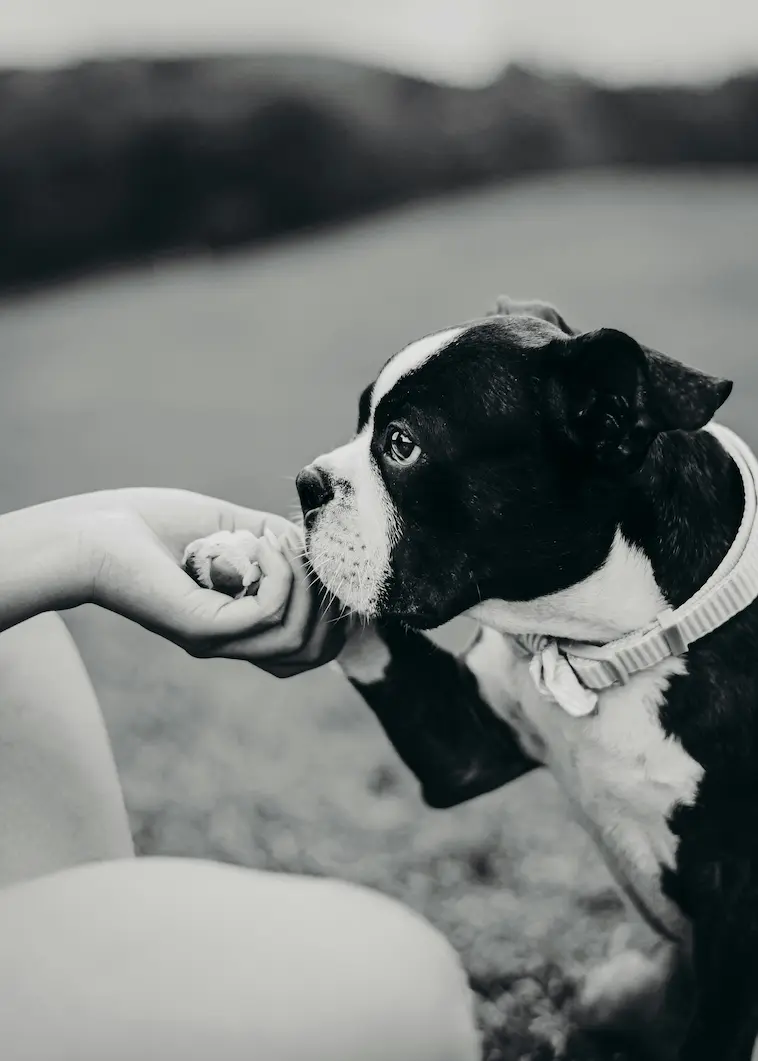
Image Credit: Bailey Burton
Dog Discomfort Symptoms: Physical and Emotional
Physical pain and emotional discomfort can overlap. A dog who is having an injury illness or emotional trauma may show mixed symptoms. Knowing how to respond is crucial and important. Read this guide on pet hospice care for insights into comfort based care.
According to the American Veterinary Medical Association, untreated pain in dogs can lead to serious long term consequences, including depression and immune suppression.

Image Credit: WELLSTUDIO
When to Visit the Vet for Dog Discomfort
It is important to know when home care is not enough. If your dog displays persistent signs like vomiting, extreme lethargy visible injuries or intense behavioral changes, fix and schedule a vet visit immediately. Early diagnosis can prevent your pet having even more worsening conditions.
Red Flags That Warrant a Vet Check
- If your pet has persistent limping or refusal to walk
- Signs of unexplained swelling or redness
- Change in bladder or bowel habits
- Unresponsiveness or confusion
- Bleeding or deep wounds
Home Remedies to Ease Mild Discomfort
For minor and small stress or temporary discomfort, there are number of ways to comfort your dog at home. These are not substitutes for veterinary care but can help in manageable situations like travel anxiety weather related stress or post play soreness.
Comfort Measures You Can Try
- Provide a calm and quiet resting area for your pup
- Always use a heated dog bed or orthopedic mat
- Try natural calming aids like lavender oil and pheromone diffusers
- Offer gentle massages to your pet
- Maintain a predictable daily routine
FAQs About Dog Discomfort and Stress
Q1: What are the most common signs your dog is uncomfortable?
A: Look for changes in posture, vocalizations like whining, hiding, loss of appetite, or sudden behavior shifts. These are often the first clues.
Q2: How to tell if your dog is in pain or just anxious?
A: Pain often shows up as limping, wincing when it touched or excessive licking. Anxiety usually involves pacing panting or hiding. Observe the full pattern for some time.
Q3: What should I do if my dog shows discomfort symptoms?
A: First assess the environment, if found remove those triggers. Then schedule a vet checkup. For stress related issues, offer calming toys or consider a certified trainer if suggested by vet.
Q4: Can certain dog breeds hide pain better than others?
A: Yes they do. Breeds like Labradors and Huskies are known to be stoic. These breeds may endure discomfort silently, making owner observation even more vital.
Q5: Are senior dogs more prone to discomfort symptoms?
A: Absolutely yes because older dogs often develop arthritis vision or hearing loss and organ issues. Regular checkups and joint supplements may help.
Conclusion
Recognizing the signs your dog is uncomfortable is not just about being a good pet parent but it is about giving your companion the quality of life they deserve. Whether it’s a physical issue emotional stress or a mix of both, staying aware of behavioral and physical signs can lead to early intervention and better outcomes for your pup.
Do not wait for obvious symptoms. Be proactive and if in doubt, always consult your vet immediately. Share this post with fellow dog owners to spread awareness. 🐾
Disclaimer: This article may contain affiliate links. If you click and purchase, we may earn a commission at no extra cost to you. As an Amazon Associate, we earn from qualifying purchases.