
Dog emotional signals: 12 Clear Ways to Read Your Dog’s Mood (2025)
Let us know our dog emotional signals today and learn how to tell if your dog is happy. Explore canine body language and trust signs today whatever they are.
Have you ever wondered what your furry friend is really thinking or feeling? Understanding dog emotional signals can unlock a deeper bond between you and your companion furry dog. In this post, we shall explore how to tell if your dog is happy, what canine body language to watch for and the unmistakable signs your dog trusts you.
No matter if you are a seasoned pet parent or a new dog owner, learning to read these cues will help you respond with love and care. Let us move into the world of canine communication and decode your dog’s moods. You might also want to check out how much exercise your dog needs to support their emotional well being.
Understanding Canine Body Language: Core Dog Emotional Signals
Dogs always communicate primarily through body language , their posture, facial expressions tail position and movements tell a story far richer than words. These signals form the backbone of all dog emotional signals and are essential for interpreting your dog’s feelings. For a deeper dive into body cues, the American Kennel Club’s guide on dog body language is a helpful external resource.
Primary Physical Indicators to Recognize
- Tail Wagging: A relaxed dog gives wide wag generally signals happiness and friendliness. Conversely, a slow wag or a tail tucked between the legs may indicate fear or insecurity. so tail wagging should be watched frequently
- Ear Posture: Ears held forward can mean excitement or alertness, while ears flattened against the head usually indicate submission or extreme anxiety.
- Facial Expression: Soft eyes with relaxed eyelids and a slightly open mouth often show contentment. Whale eyes where the whites of the eyes are visible, can mean stress or discomfort.
- Body Posture: A loose, wiggly body is a classic sign of a happy dog. Tense muscles, crouching, or lowered body height often signal fear or uneasiness.
- Paw Position: Raised paws might suggest curiosity or a desire to play, while trembling paws could be a sign of nervousness or excitement.

Photo by Bella Robertson
How to Tell If Your Dog Is Happy: Vocal & Behavioral Clues
Happiness in dogs is not only shown by their body, their sounds and actions also convey joy and comfort. Recognizing these vocal and behavioral signs helps ensure your dog’s well being.
Common Vocal & Behavioral Signs of a Happy Dog
- Barking with Excitement: High pitched barking during play or greetings express joy and enthusiasm.
- Play Bow: When your dog lowers its front legs and keeps the rear high, it is a clear invitation to play and a clear indicator of happiness and joy.
- Relaxed Sniffing and Exploration: A calm, curious approach to new scents and environments means your dog feels safe.
- Tummy Up: Offering their belly is a strong sign of trust and happiness and playful mood.
- Soft, Relaxed Mouth: Slight panting with a relaxed jaw shows contentment.
- Happy Eyes: Bright, sparkling eyes that make gentle contact indicate joy.
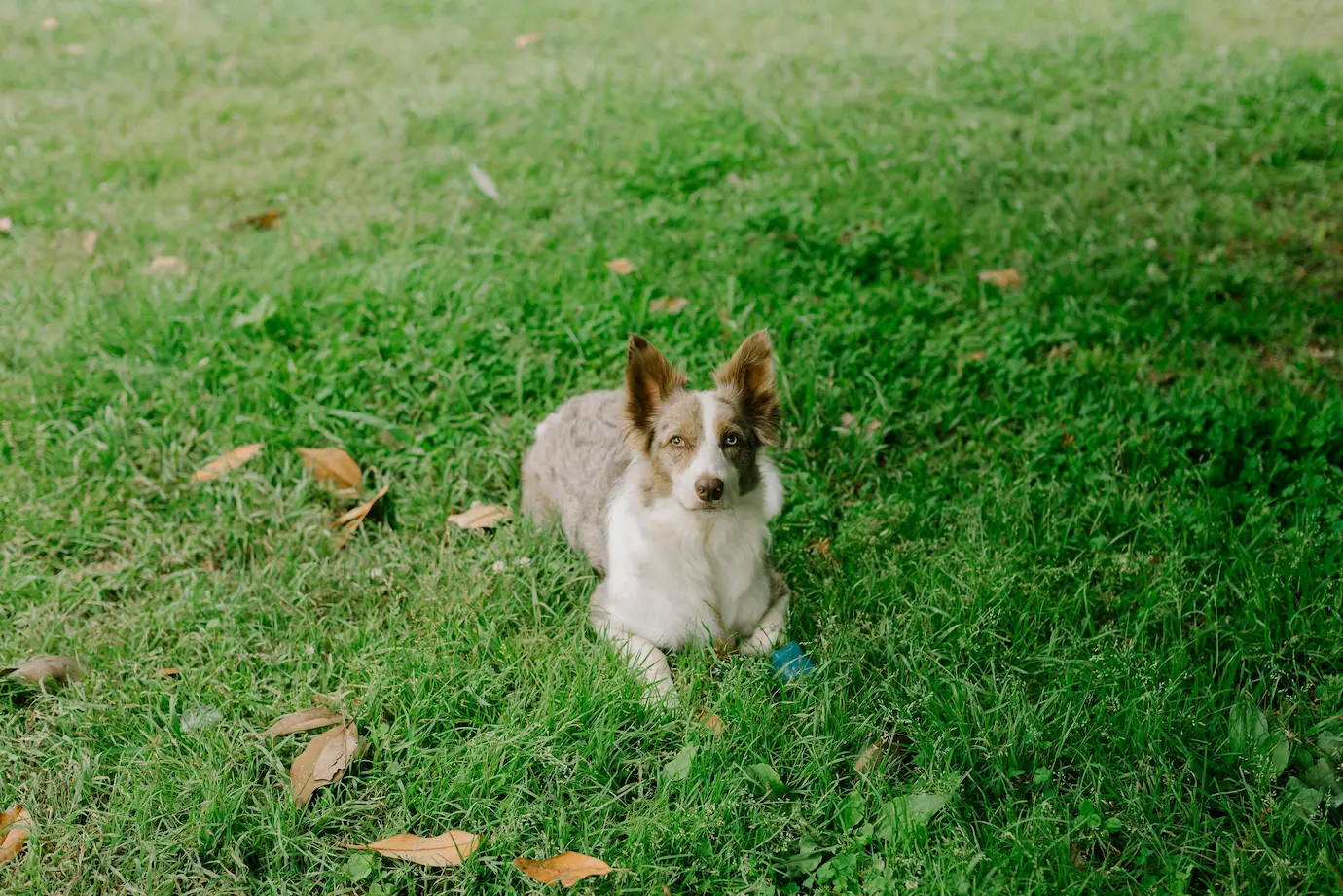
Photo by Alina Skazka
Signs Your Dog Trusts You: Deep Emotional Signals
Trust is the cornerstone of any strong relationship, including the one you share with your dog. When your pet trusts you, they shall show it in many subtle but meaningful ways.
Trust-Building Behaviors to Look For
- Leaning In: When your dog rests against you, they seek comfort and show affection and love.
- Following Your Gaze: Dogs that look to you for guidance and respond to your attention show trust.
- Relaxing During Grooming: Letting you brush or touch them comfortably and gently shows trust.
- Sleeping Near You: Choosing to sleep close by means your dog feels safe with you.
- Bringing You Their Favorite Toy: Sharing a prized toy shows affection.
- Making Eye Contact: Gentle eye contact signals a deep bond between you and your pet.
Positive reinforcement and gentle handling build trust over time. For example, some blue tongue dog breeds are known for being emotionally expressive and trusting.
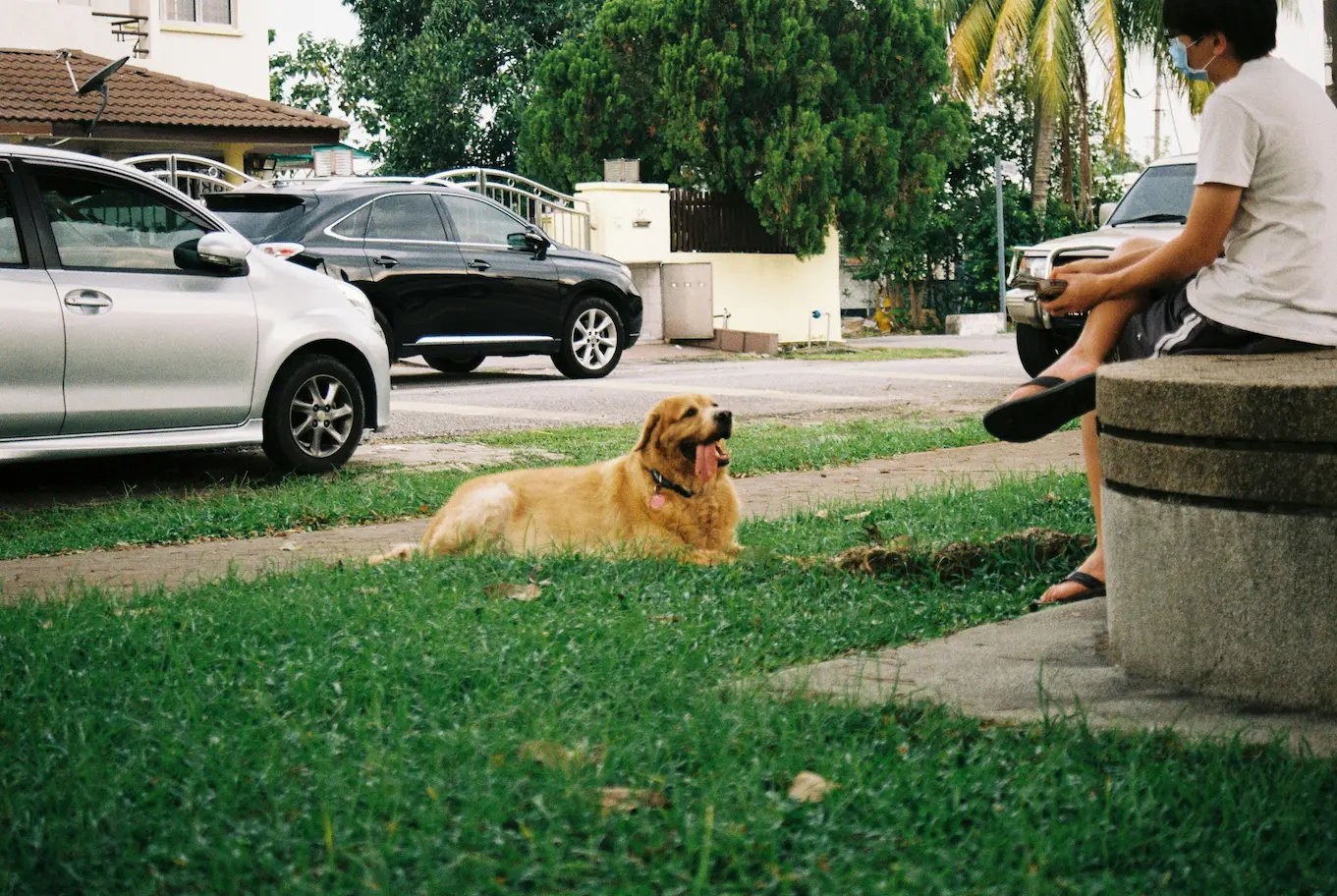
Photo by WinYee Chong
Emotional Signals in Different Situations
Your dog’s emotional signals can vary to certain extent depending on the situation. Understanding them helps you support your dog through stress and excitement.
At the Vet or Groomer
- Trembling or Shaking: Indicates fear or anxiety.
- Lip Licking and Yawning: Calming signals from fear.
- Flattened Ears: Signs of discomfort or fear.
- Relaxed Tail Wagging: Shows comfort with the environment.
During Dog-to-Dog Play
- Playful Growling: Normal when combined with relaxed posture.
- Play Bow: Invites play joyfully and signals fun.
- Pinning Behavior: Monitor for stress signs like cowering.
- Taking Turns: Indicates healthy social play.
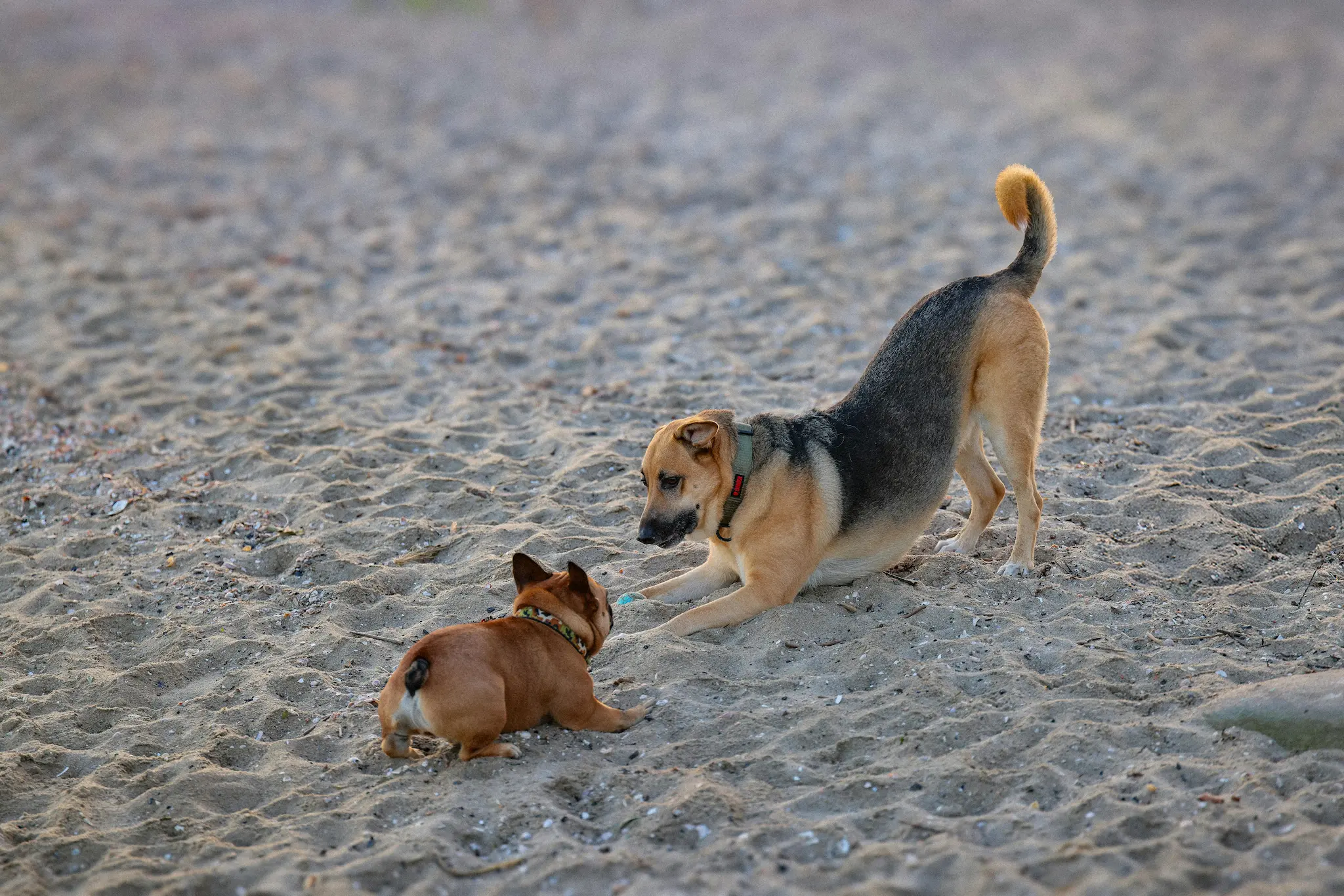
Photo by David Kanigan
FAQs About Dog Emotional Signals
Q1: What is the most common dog emotional signal for happiness?
A: A relaxed and calm pet showing wagging tail with a loose body, soft eyes and gentle mouth is the clearest sign of happiness.
Q2: How can I tell if my dog is anxious?
A: Look for signs like whale eyes, lip licking trembling yawning or tucked tail. These indicate stress or fear.
Q3: Can I improve my dog’s trust by recognizing signals?
A: Yes if you closely watch By understanding and respecting your dog’s cues, you strengthen the bond and build lasting trust.
Q4: How do I tell the difference between play and aggression?
A: Any play involves loose bodies and tail wagging, while aggression is stiff, still and includes growling with direct eye contact.
Conclusion
Recognizing dog emotional signals is key to strengthening your relationship and providing a safe, happy life for your loving pet. Whether it is a wagging tail, play bow or lean of trust, your dog is always communicating.
Paying attention to these signals helps you to nurture joy, reduce anxiety, and build a loving bond that lasts for a lifetime. Be sure to observe your dog daily the more you learn their emotional language, the deeper your connection will grow.
If you have found this Guide worthy and helpful? Bookmark it, share with fellow dog lovers, and explore more of our pet wellness content today!
Disclaimer: This article may contain affiliate links. If you click and purchase, we may earn a commission at no extra cost to you. As an Amazon Associate, we earn from qualifying purchases.